
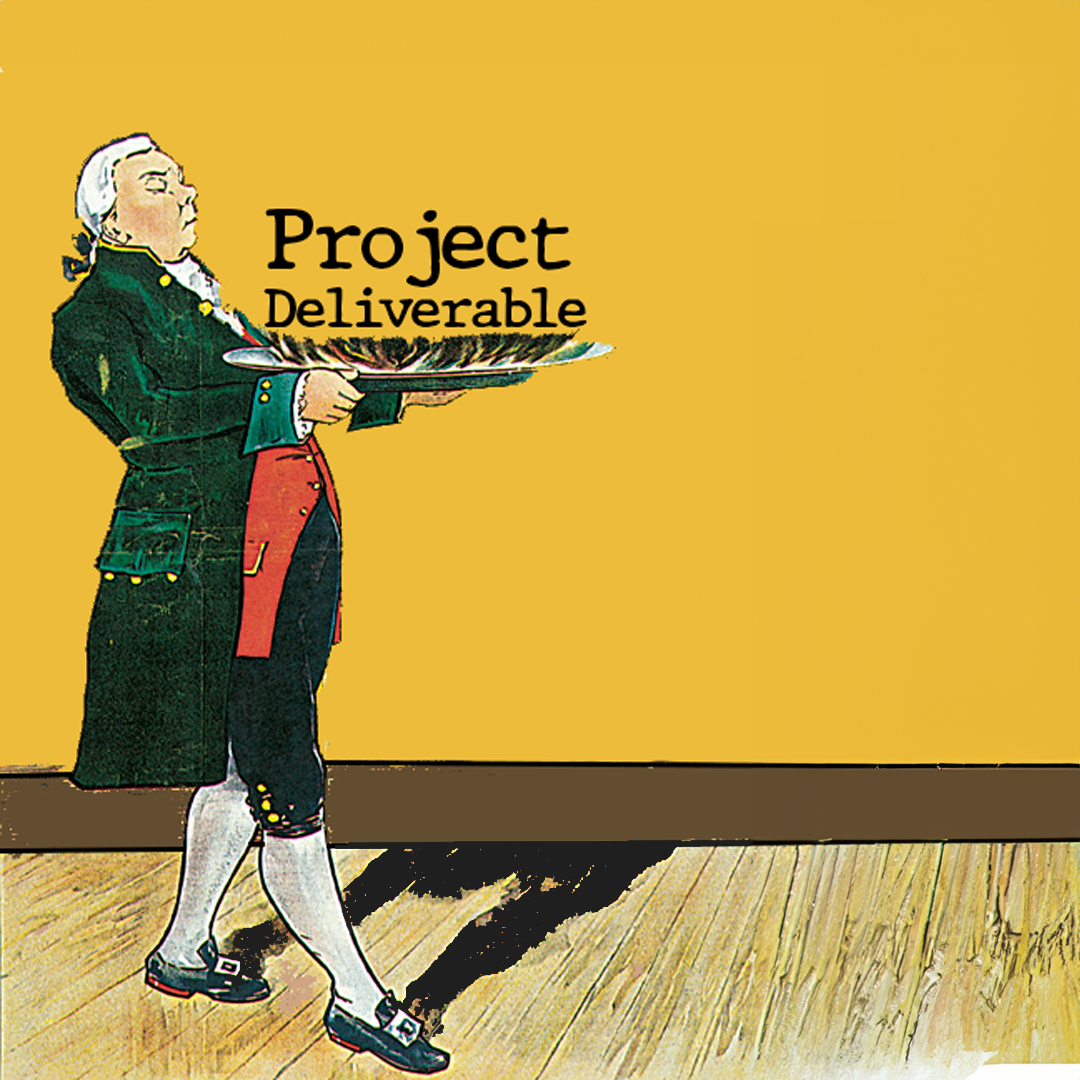
Ideally, projects produce quality deliverables that are focused on adding value to the organization or end-user.
The PMBOK defines a project deliverable as any unique and verifiable product, result, or capability to perform a service that is required to be produced to complete a process, phase, or project.
Value and quality are both important to a deliverable. The deliverable is intended to produce value (which is the worth, importance, or usefulness of something). Different stakeholders perceive value in different ways. A customer may define value as their ability to use a specific feature or having the product function in a certain way. Organizations focus on business value through financial metrics. Society might see value as how groups, communities, or the environment is affected by a project deliverable.
Since value is the ultimate indicator of project success, project teams might shift focus away from simply creating a specific deliverable and instead focus on intended outcomes that are more inline with the vision and purpose of the project. It’s important for organizational leaders to support the project team’s and other stakeholder’s understanding of both the deliverable and the intended outcome from the deliverable.
Quality is another related key term. Quality ensures that deliverables meet acceptance criteria. Quality has several dimensions which might include: performance, conformity, reliability, resilience, satisfaction, uniformity, efficiency, and sustainability.
Want to learn more about Project Management? See my Project MGMT publication for these 30 key PM topics:
Projects, lifecycle, management, manager, methodologies, the triangle, stakeholders, deliverable, team, charter, scope, budget, schedule, planning, baselining, milestones, dependencies, resources, risk, procurement, communication, ceremonies, integration, backlog, whiteboard, closure, software tools, office(r), code of ethics, body of knowledge
Leave a Reply